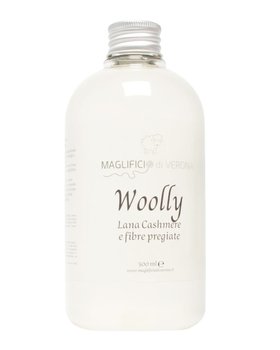
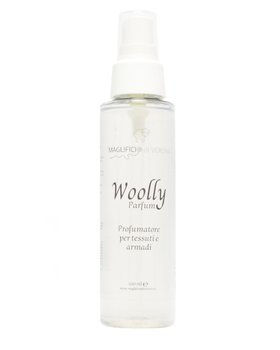
Wool and natural fibres, including extrafine and ultrafine merino wool and pure cashmere, have a delicate structure that can be damaged by aggressive detergents.
An unsuitable detergent may:
make the fibres feel stiff
alter their natural elasticity
make colours appear dull
encourage felting
For this reason, it is essential to choose a detergent specifically formulated for wool and delicate fibres.
For more detailed washing advice, read our complete guide on how to wash wool without causing felting.
Wool is a natural fibre composed of keratin. Unlike synthetic fabrics, it is particularly sensitive to:
overly aggressive alkaline substances
bleaching enzymes
harsh chemical additives
high-temperature washing
A detergent that is not specifically formulated for wool may compromise:
the softness of the fibres
their natural elasticity
their thermoregulating properties
the garment’s durability over time
These effects may be even more noticeable in merino wool garments, particularly those designed for newborn babies.
Choosing a suitable detergent means protecting the structure of the fibres, not simply cleaning them.
When choosing a wool detergent, it is important to check that it:
✔ is suitable for low-temperature washing
✔ does not contain aggressive enzymes
✔ respects the natural elasticity of the fibres
✔ is gentle even on sensitive skin
This is even more important when washing garments intended for newborn babies or children.
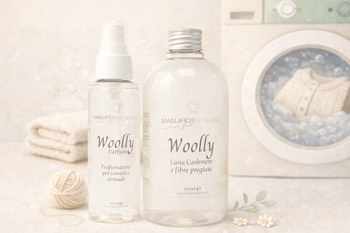
For wool and delicate fibres, a liquid detergent is generally preferable.
Liquid detergent:
✔ dissolves more effectively at low temperatures
✔ leaves fewer residues
✔ is gentler on the fibres
Powder detergents may leave small residues that make the fabric feel stiff when they do not dissolve completely.
When washing merino wool garments, newborn bodysuits or fine knitwear, the format of the detergent is just as important as its formulation.
Merino wool garments for newborn babies are worn directly against the skin.
For this reason, the detergent should:
be gentle
leave no residues
contain no harsh synthetic fragrances
Choosing a product formulated for delicate fibres helps preserve the quality of the garment over time.
You can also learn more in our dedicated guide on how to wash merino wool garments for newborn babies.
When washing wool, one fundamental rule applies: less is more.
Using too much detergent may:
leave residues within the fibres
weigh down the garment
alter its softness
Always follow the dosage instructions on the product label and do not exceed the recommended quantity, especially when washing by hand or washing only a few garments in the drum.
Not everyone knows that wool is a natural protein fibre composed of keratin.
This means that it is particularly sensitive to detergents that are too alkaline.
A wool detergent should have:
a neutral or slightly acidic pH
a gentle formulation
no aggressive bleaching agents
Products with an excessively high pH may weaken the fibres over time, making them less elastic and more fragile.
Choosing a detergent formulated for natural fibres means respecting the internal structure of the garment, rather than merely cleaning its surface.
Traditional fabric softener is not recommended for wool garments.
Many fabric softeners:
coat the fibres with a chemical layer
alter their natural breathability
may weigh down the fabric
High-quality merino wool is already naturally soft.
It does not require additional fabric softener.
For a fresh feeling inside wardrobes and drawers, choose a delicate fragrance designed for natural fibres instead.
Wool care does not end with washing.
Correct storage is equally important for preserving the quality of the fibres. (Learn more in our guide to storing wool garments correctly.)
When changing wardrobes between seasons, it is essential to:
store garments only when they are clean and completely dry
avoid damp environments
use breathable storage bags
protect the fibres from moths and unpleasant odours
A delicate fragrance for wardrobes and drawers, specifically designed for natural fibres, helps maintain freshness and protection without weighing down or altering the structure of the fabric.
Choosing a subtle fragrance means respecting the natural qualities of the fibres and preserving them over time.
Many products are labelled as “delicate”, but not all of them are genuinely suitable for wool.
An ideal detergent for natural fibres should:
be specifically indicated for wool
contain no aggressive enzymes
work effectively at low temperatures
leave no residues
When purchasing high-quality merino wool garments, choosing the correct detergent is an essential part of caring for them.
Fine natural fibres such as extrafine merino wool and cashmere are chosen for their quality, comfort and durability.
Unlike synthetic fabrics, they:
breathe naturally
help regulate temperature
adapt comfortably to the body
preserve their elasticity over time
Precisely because they are natural, however, they require specific care.
Choosing the correct detergent is not merely a technical matter: it is a way to protect the quality of the garment and extend its lifespan.
This care becomes even more important for garments intended for babies and young children.
Using products designed for wool and fine fibres helps to:
preserve quality over time
maintain natural softness
prevent felting
protect sensitive skin
Caring for wool does not simply mean washing it correctly. Every stage should be considered carefully, from choosing the detergent to storing the garment.
When you invest in high-quality natural fibres, proper care becomes part of the experience.
A well-maintained merino wool garment is not only more beautiful: it lasts longer, preserves its softness and continues to provide comfort season after season.
Wool should be washed in cold water or at a maximum of 30°C.
Higher temperatures may cause shrinking and felting because natural wool fibres react to heat and sudden temperature changes.
It is important to maintain the same temperature during washing and rinsing, avoiding sudden changes that may place stress on the structure of the wool.
For garments intended for newborn babies, it is essential to choose a detergent specifically formulated for delicate fibres that is:
gentle on sensitive skin
effective at low temperatures
free from aggressive enzymes
free from overpowering synthetic fragrances
Merino wool, often used for bodysuits and rompers during the first months, requires a detergent that respects both the natural fibres and the baby’s delicate skin.
For wool, use a low or reduced spin speed of no more than 400–600 rpm.
An excessively intense spin cycle may distort the garment and place stress on the natural elasticity of the fibres.
When the washing machine has a dedicated wool cycle, the spin speed is generally already calibrated to be gentle.
Garments made from 100% wool can be washed:
by hand in cold water or at a maximum of 30°C
in the washing machine using the wool or delicate cycle
It is important to:
use a detergent specifically formulated for wool
avoid excessive rubbing
never wring the garment
always dry it flat
These precautions help preserve softness and shape over time.
To prevent wool from felting, it is essential to:
✔ wash at low temperatures, no higher than 30°C
✔ avoid sudden changes between hot and cold water
✔ use a reduced spin speed
✔ avoid rubbing or wringing
✔ choose a detergent suitable for wool
Felting occurs when heat, movement and moisture combine too aggressively. Gentle care is the best form of prevention.
Use a detergent specifically formulated for wool or delicate fibres, suitable for low-temperature washing and free from aggressive enzymes.
It is best to avoid it, as standard detergents may alter the structure of the fibres and encourage felting.
Yes. Merino wool is particularly delicate and requires a detergent specifically formulated for natural fibres.
Choose delicate, natural solutions that do not alter the fibres or leave aggressive residues.
Bicarbonate of soda may alter the balance of the fibres when used frequently or in excessive quantities.
For merino wool, it is preferable to use a detergent specifically formulated for natural fibres.
Thanks to its natural properties, wool does not require frequent washing.
Airing the garment is often sufficient. Washing too frequently may reduce the lifespan of the fibres.

Spedizione veloce e gratuita (>75€)
Filati naturali e pregiati
Design essenziale e senza tempo

Assistenza clienti online
Artigianalità made in Italy dal 1975
Resi facili e veloci